Vittorio Edge AI vs Traditional Cloud AI: Key Differences Explained
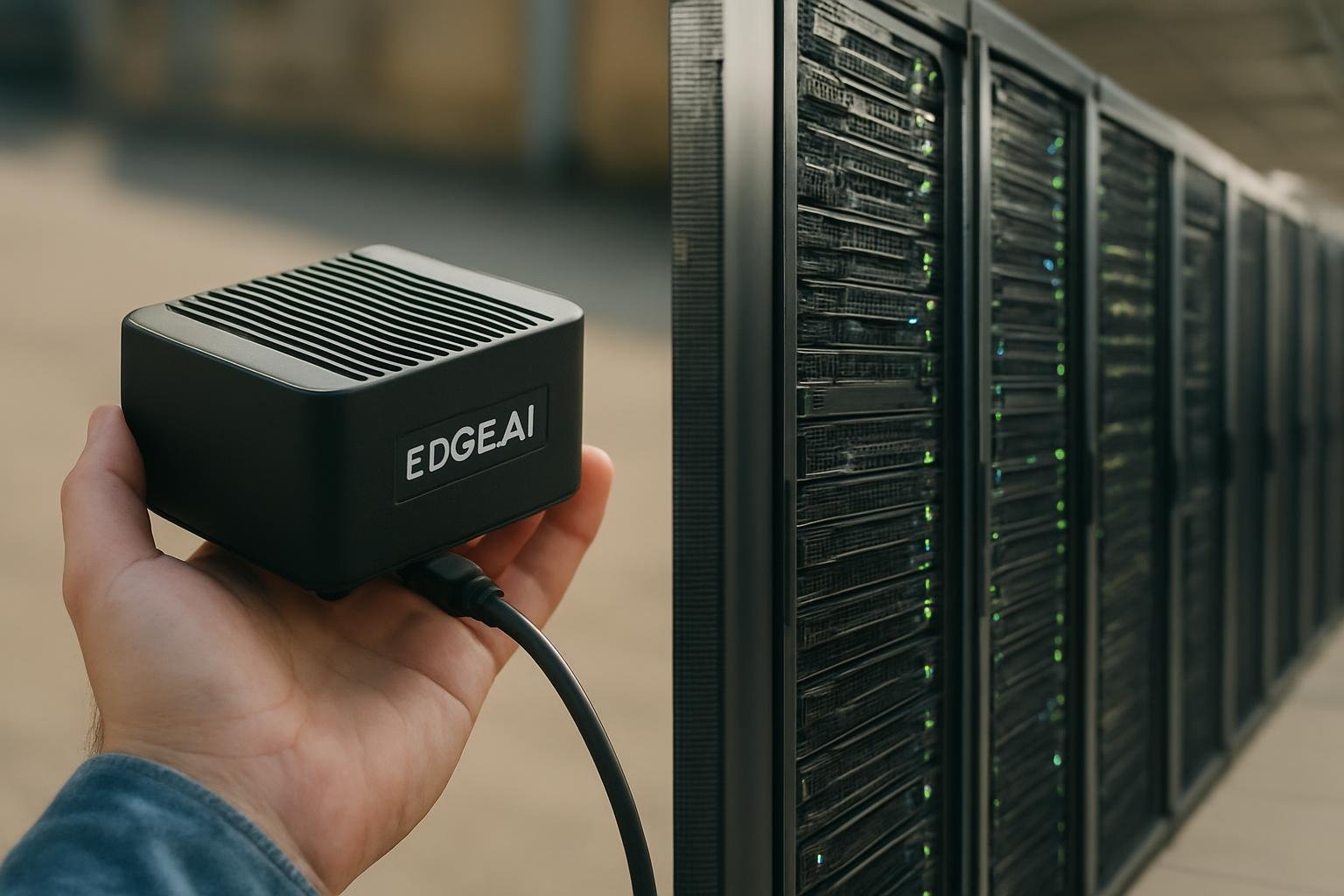
As artificial intelligence (AI) continues to evolve, the choice between edge AI and traditional cloud AI becomes crucial for businesses and developers. Vittorio Edge AI represents a cutting-edge approach that processes data locally, contrasting with cloud-based AI systems that rely on centralized data centers. Understanding how these technologies differ can help organizations make informed decisions when integrating AI into their operations.
Overview of Vittorio Edge AI
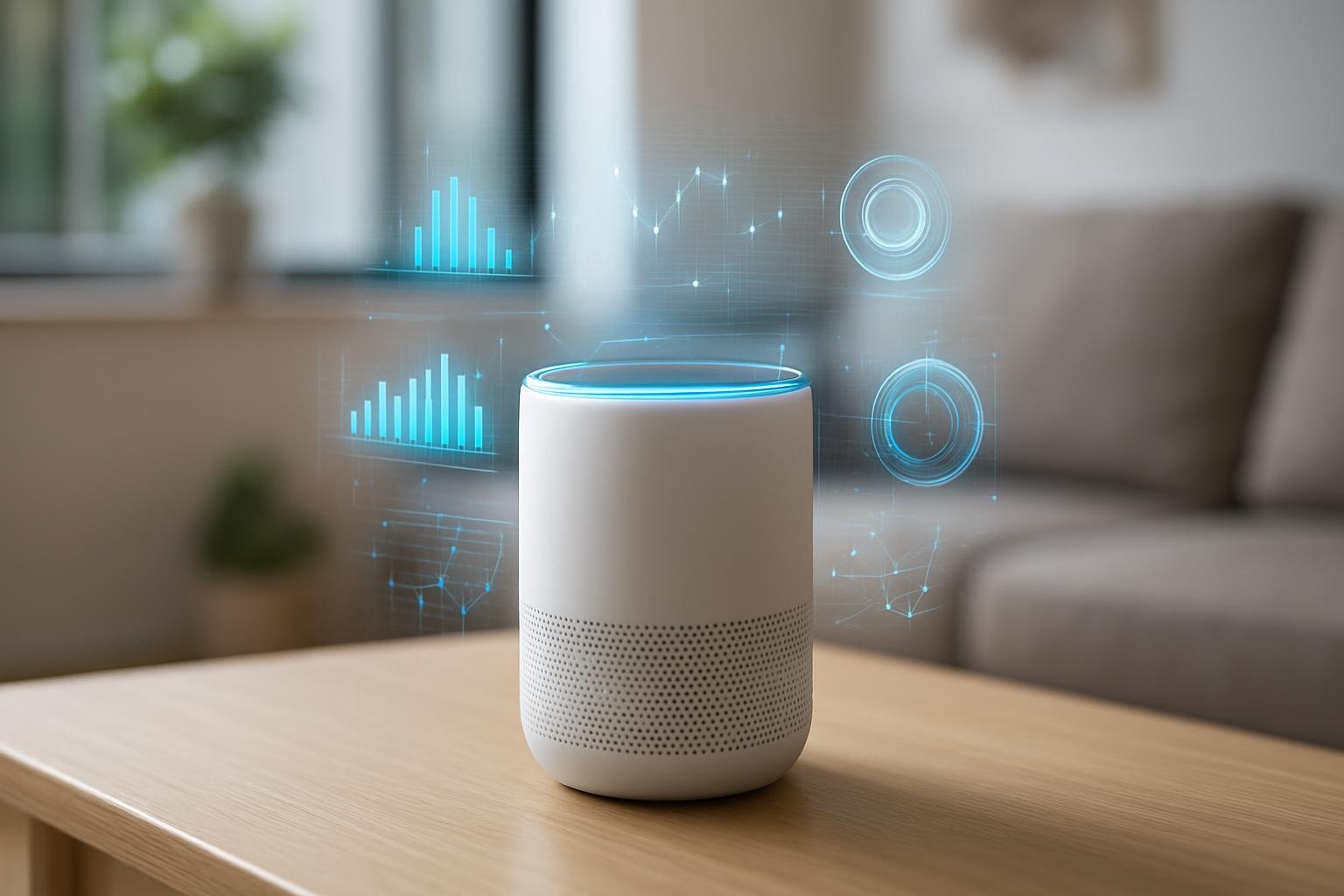
Vittorio Edge AI is an advanced artificial intelligence framework designed to perform data processing directly on edge devices such as smartphones, IoT devices, cameras, and embedded systems. By leveraging local computation power, Vittorio Edge AI enables real-time decision-making and reduces dependency on internet connectivity. This technology supports efficient data handling with minimal latency, making it ideal for environments requiring instant feedback and robust privacy controls.
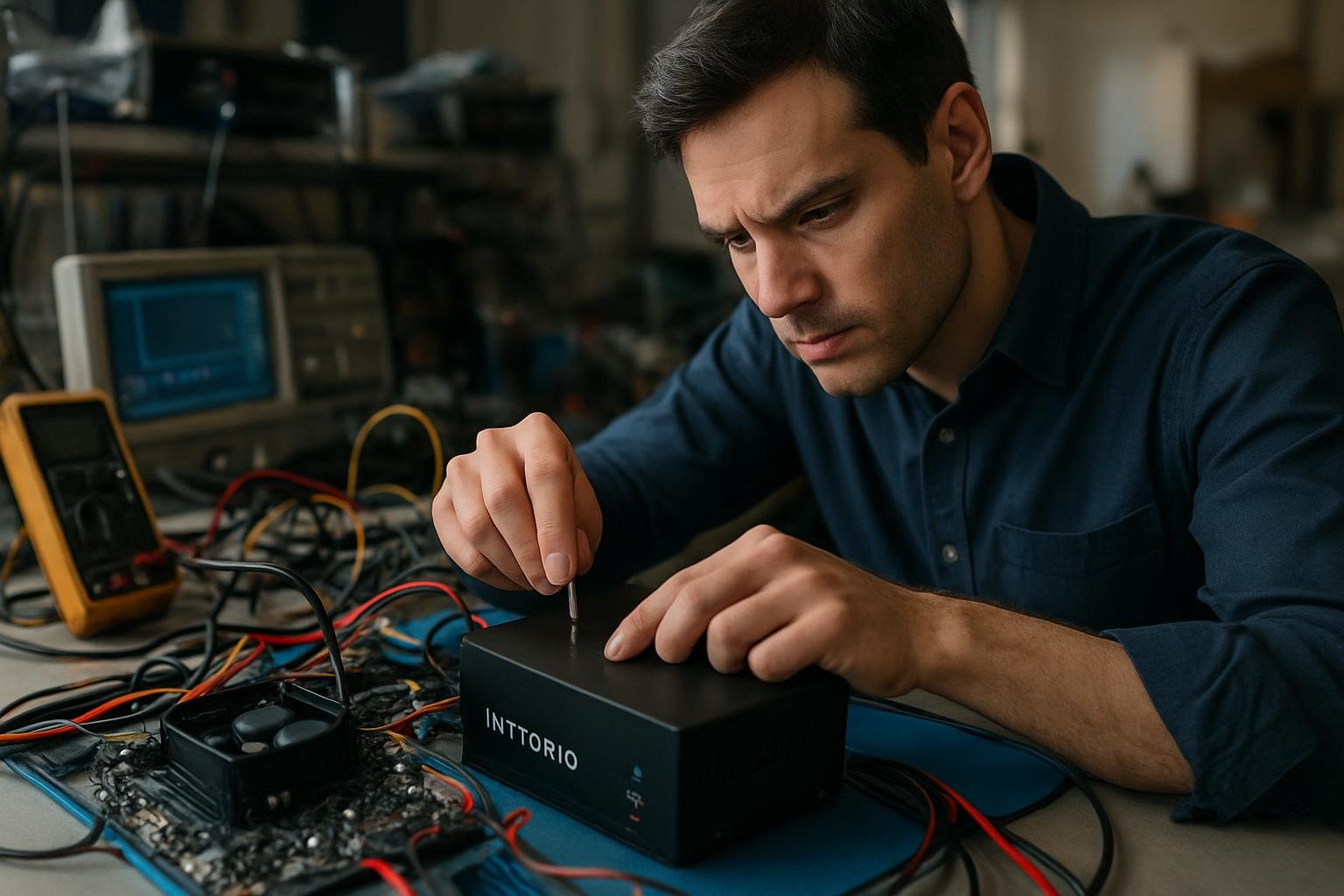
Key features of Vittorio Edge AI include lightweight model deployment, adaptive processing based on device capabilities, and strong integration with sensor hardware. It employs optimized algorithms tailored for embedded systems, ensuring that AI capabilities can function seamlessly without demanding extensive cloud resources.
Overview of Traditional Cloud AI
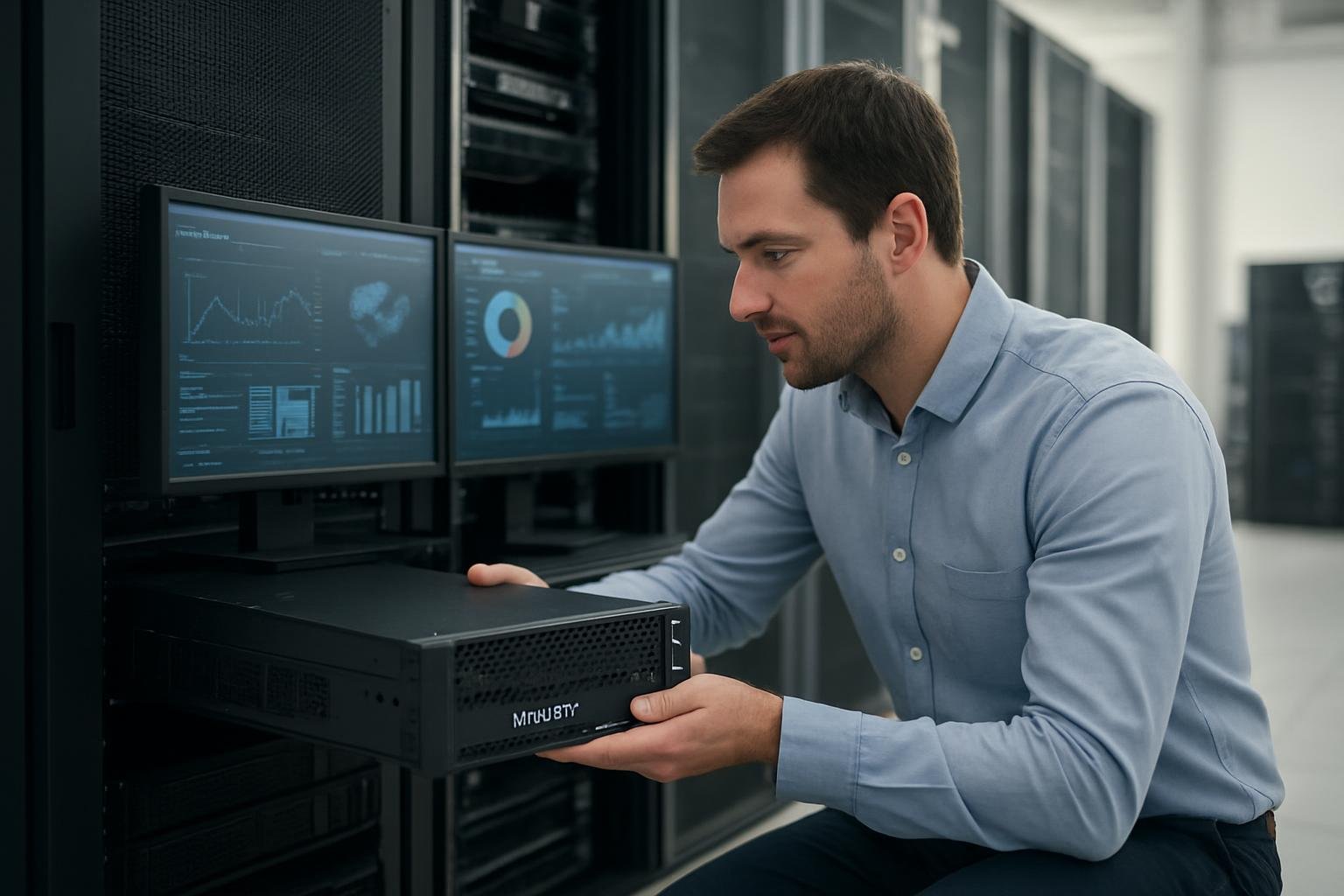
Traditional cloud AI systems centralize data processing in remote data centers, where powerful servers analyze large datasets and deliver insights via the internet. Services like AWS AI, Google Cloud AI, and Microsoft Azure AI offer scalable infrastructures that support complex machine learning models and vast storage capabilities.
This approach benefits from extensive computational resources, allowing for deep learning models and high-volume data analysis that may exceed edge device limits. Cloud AI platforms provide ease of updates, centralized management, and are well-suited for applications benefitting from aggregated data across many users.
Key Differences in Architecture and Processing
The primary distinction lies in where data processing occurs. Vittorio Edge AI performs inference and analytics directly on the edge device, leveraging the built-in processing chips, often specialized hardware like neural processing units (NPUs). This decentralized model means data rarely needs to leave the point of origin, which minimizes bandwidth consumption and enhances responsiveness.
In contrast, traditional cloud AI architecture transmits raw or pre-processed data from the user device to centralized servers where the AI models run. This requires a persistent internet connection and results in higher network loads and potential delays due to data transfer times.
- Vittorio Edge AI Architecture: Local computation, minimal data transmission, optimized for low power and memory.
- Cloud AI Architecture: Centralized computation, dependent on network connectivity, suitable for complex models demanding significant compute power.
Performance and Latency Comparison
Vittorio Edge AI excels in delivering low-latency responses by eliminating round-trip communication to the cloud. For example, in smart surveillance cameras using Vittorio Edge AI, object detection and alerting occur within milliseconds, enabling real-time threat detection without cloud involvement. This responsiveness is critical in scenarios like autonomous vehicles, industrial automation, and emergency response systems.
While cloud AI can offer more sophisticated analytics through larger and deeper neural network models, the latency introduced by data transmission and processing can range from hundreds of milliseconds to seconds, which may be unsuitable for time-critical applications.
However, in non-real-time or batch data processing situations, cloud AI's superior processing power can analyze massive datasets faster, providing more comprehensive insights.
Data Privacy and Security Implications
Processing sensitive information locally, Vittorio Edge AI significantly reduces the exposure of private data, addressing concerns related to data breaches, compliance, and user consent. Since most data never leaves the device, vulnerabilities related to data transit and storage in the cloud are minimized.
Conversely, traditional cloud AI requires transferring and storing user data on external servers, which increases the risk of exposure despite advanced encryption and security protocols. Additionally, regulatory frameworks like GDPR and HIPAA often impose strict controls on cloud data handling, complicating implementation.
Organizations focusing on sensitive industries such as healthcare, finance, or defense often prefer edge AI frameworks like Vittorio to retain full control over data security.
Cost and Infrastructure Considerations
Deploying Vittorio Edge AI generally reduces ongoing cloud service costs because it minimizes bandwidth usage and reliance on remote data centers. However, initial device investment might be higher due to the need for specialized hardware capable of running AI algorithms effectively.
Traditional cloud AI systems benefit from economies of scale since cloud providers handle hardware maintenance and updates. Costs typically scale with data storage, computation, and API usage, which can become significant as AI application volume grows.
Infrastructure-wise, edge AI lessens dependency on network availability, offering resilience in low-connectivity environments, while cloud AI requires reliable and fast internet connections to maintain performance.
Best Use Cases for Each Technology
- Vittorio Edge AI: Real-time analytics for autonomous vehicles, smart manufacturing with predictive maintenance, instant facial recognition in security systems, and remote healthcare monitoring devices.
- Traditional Cloud AI: Large-scale image and speech recognition services, data aggregation for market analysis, comprehensive natural language processing for chatbots, and complex recommendation engines.
Choosing Between Vittorio Edge AI and Cloud AI
Selecting the right AI model depends on your application's specific demands. Consider Vittorio Edge AI when low latency, data privacy, and offline capability are priorities. It particularly suits scenarios where immediate decisions are crucial and internet connectivity is unreliable.
If your application demands extensive computation power, leverages large datasets, or benefits from centralized model learning and updates, traditional cloud AI remains a strong candidate. Many organizations employ hybrid approaches, using edge AI for initial processing and cloud AI for deeper analytics.
Ultimately, building a strategy that aligns technical requirements, cost constraints, and privacy considerations will lead to the best outcomes when deploying AI solutions.
Conclusion
Understanding the differences between Vittorio Edge AI and traditional cloud AI informs better decision-making in AI deployments. While Vittorio Edge AI shines in low-latency, privacy-sensitive, and distributed environments, cloud AI offers unmatched processing power for comprehensive data analysis. Weighing factors such as architecture, latency, security, cost, and use cases will guide businesses in choosing the AI approach that best suits their needs.
FAQ
What types of devices support Vittorio Edge AI?
Vittorio Edge AI is designed for a broad range of edge devices, including IoT sensors, smartphones, embedded systems, and edge servers equipped with AI accelerators like NPUs or GPUs.
Can edge AI fully replace cloud AI?
While edge AI offers many advantages, it is often complementary to cloud AI. Complex model training and large-scale data aggregation typically still occur in the cloud, with edge AI handling real-time inference.
How does edge AI impact data privacy compliance?
Edge AI reduces the amount of data transmitted externally, helping organizations meet data protection regulations by localizing sensitive information processing and minimizing cloud data storage.