How to Implement Vittorio Edge AI in Your Business Infrastructure

Implementing advanced AI solutions like Vittorio Edge AI can transform your business infrastructure by enabling real-time data analysis and smarter decision-making at the edge. This how-to guide walks you through the essential steps to successfully integrate Vittorio Edge AI into your operations, ensuring a seamless adoption that drives efficiency and competitive advantage.
Understanding the Basics of Vittorio Edge AI
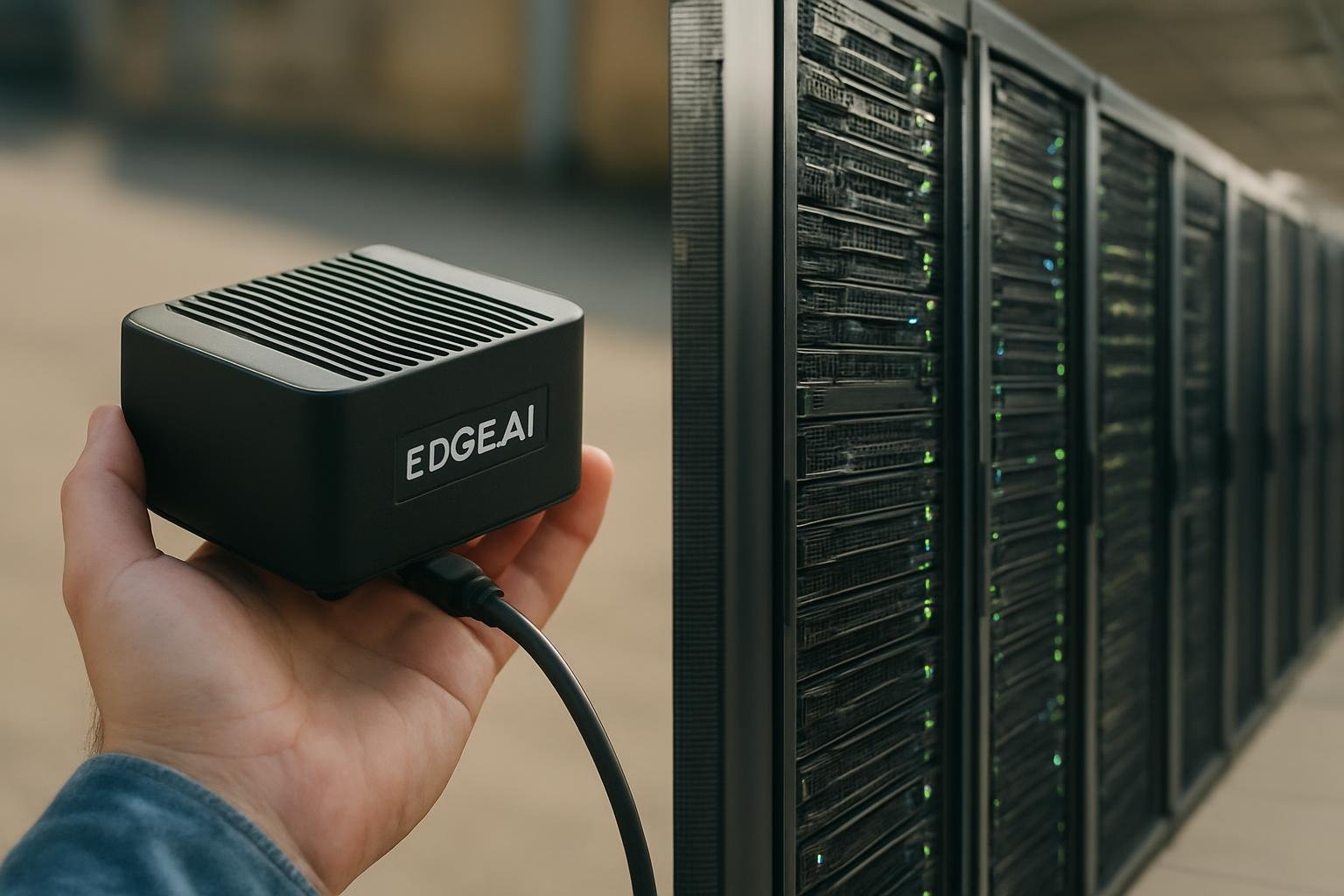
Vittorio Edge AI is a cutting-edge technology framework designed to run artificial intelligence models locally on devices close to the data source, known as the "edge." Unlike traditional cloud-based AI, which processes information remotely, edge AI enables faster data processing, reduced latency, and enhanced security by minimizing the need to transmit sensitive data over networks.
Key benefits of using Vittorio Edge AI include:
- Real-time analytics: Immediate insights enable prompt decisions without network delays.
- Reduced bandwidth: Less data transmitted to central servers decreases costs and network congestion.
- Improved data privacy: Sensitive data stays local, reducing exposure to cyber threats.
- Scalability: Modular deployment supports diverse hardware across multiple sites.
Understanding these fundamentals is crucial before embarking on the implementation process.
Assessing Business Needs and Use Cases
Effective deployment starts with a clear understanding of your specific business needs. Begin by identifying the processes that can benefit most from edge intelligence. Some common use cases that leverage Vittorio Edge AI include:
- Manufacturing automation: Predictive maintenance of machinery to reduce downtime.
- Retail analytics: Customer behavior analysis for personalized marketing.
- Healthcare monitoring: Real-time patient data analysis for proactive care.
- Smart logistics: Fleet monitoring and route optimization.
Assess the scale of deployment, expected data volume, and the criticality of latency to prioritize projects for Vittorio Edge AI integration. This evaluation guides hardware and software selection to meet precise operational requirements.
Selecting Appropriate Hardware and Software
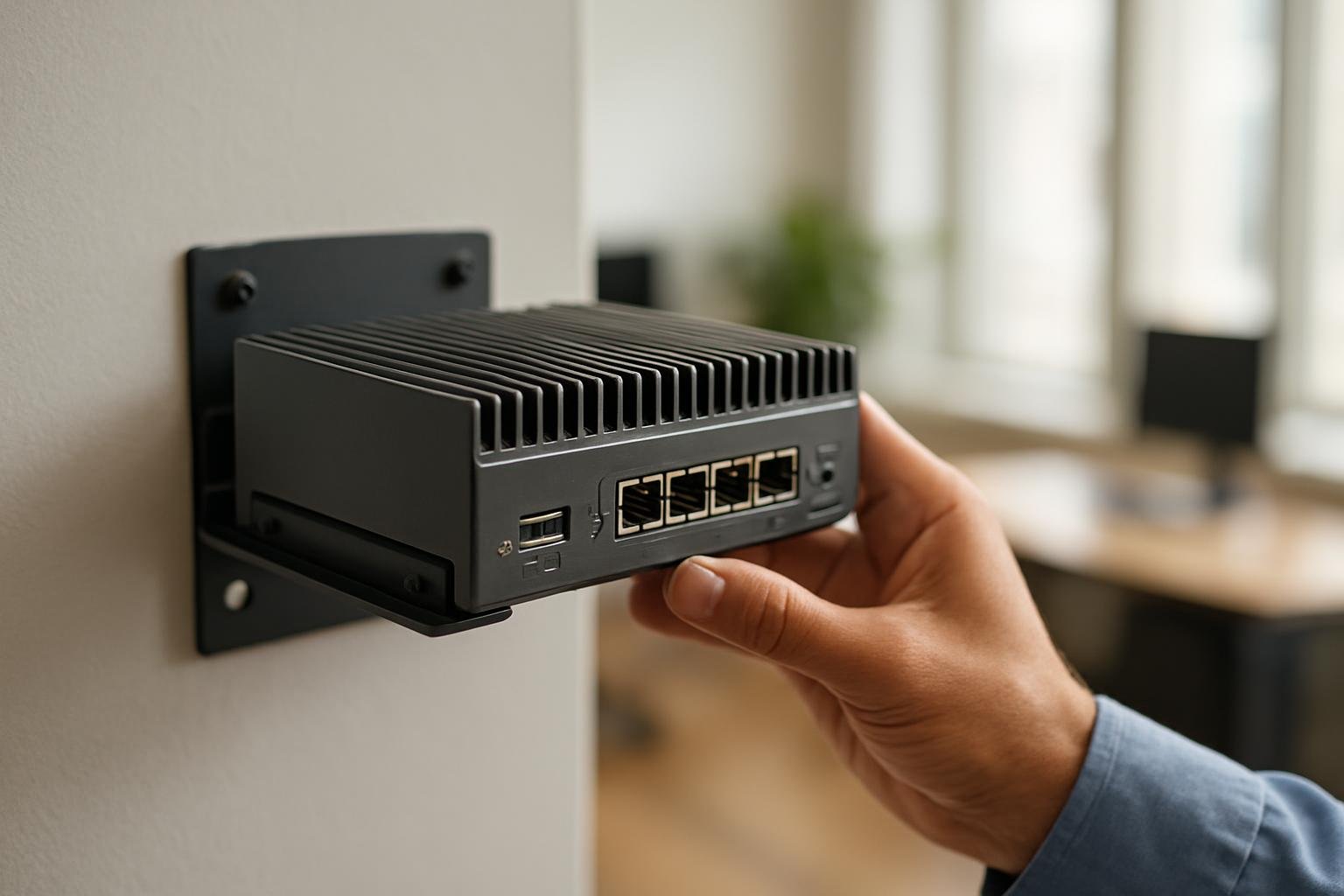
Vittorio Edge AI requires compatible hardware capable of running AI workloads efficiently at the edge. Considerations include:
- Processing power: Devices such as NVIDIA Jetson modules or Intel Movidius chips provide robust AI acceleration.
- Connectivity: Reliable network interfaces, including 5G or Wi-Fi, support data synchronization with central systems.
- Environmental resilience: Hardware designed to operate under specific conditions (e.g., temperature, dust).
On the software side, Vittorio offers various SDKs and platforms optimized for edge AI deployment. Choose a solution that allows easy model development, testing, and deployment with compatibility for your existing IT infrastructure. Also, prioritize platforms supporting containerization (e.g., Docker) and orchestration (e.g., Kubernetes) for scalability and simplified management.
Integration Process: Step-by-Step
- Define objectives and scope: Establish clear goals and identify pilot applications.
- Prepare hardware: Procure and configure edge devices with necessary connectivity and compute resources.
- Develop AI models: Use Vittorio's tools to design and train models tailored to your data and use cases.
- Test locally: Validate AI model performance in a controlled edge environment.
- Deploy to edge devices: Roll out models using Vittorio’s deployment framework, ensuring seamless integration with existing systems.
- Integrate with backend systems: Set up data pipelines and control interfaces to synchronize edge insights with central databases and dashboards.
- Conduct user training: Prepare your team to operate and monitor the system effectively.
Following this methodical approach reduces risks and accelerates value realization.